Straight from the synthesizer with marginal processing-- commonly simply bosom from the resin and rainfall. Purity varies commonly, from 40% to 80%+ depending upon sequence size and problem. Crude peptides appropriate for applications where purity isn't essential, such as antibody manufacturing or first screening Learn more assays where the target peptide just requires to be present, not dominant. Very closely associated with truncations, removal peptides are unabridged chains that are missing one amino acid somewhere in the middle. If topping isn't perfectly reliable, an uncoupled chain can Visit this link remain to elongate in subsequent actions, producing a peptide that's only one deposit except the target.
Our laboratory makes use of cutting edge instrumentation and validated methods to make certain accurate, reproducible data throughout also the most intricate peptide matrices.In other words, the pureness portion is about the structure of peptide varieties in the sample, not the weight payment of water or salts.When a peptide is 98% pure, that remaining 2% isn't random noise-- it specifies, identifiable types of results.Nonetheless, attaining ultra-high pureness (state 99%) can be practically tough and may not always be necessary, as we'll go over later.You can discover more regarding our analytical testing methods on our screening and quality page.Another associated term you may experience is net peptide material, which is different from pureness.
We sustain amino acid structure evaluation and net peptide content assessment for groups that need even more trusted concentration setup and batch analysis. HPLC-tested suggests the example was gone through high-performance liquid chromatography to separate the target peptide from impurities. The pureness percent is typically calculated from the primary top area divided by the complete incorporated peak location.
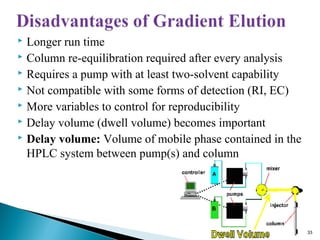
High-performance Liquid Chromatography (hplc): The Pureness Criterion
At Maxed Out Compounds, every product we provide includes a clear screening record and transparent documentation. Our goal is to support researchers with high-purity, validated substances that satisfy the demands of modern clinical research study-- nothing more, nothing less. Independent, third-party testing plays a crucial duty in making certain objectivity and accuracy. By utilizing external laboratories for confirmation, suppliers remove prejudice and maintain scientific reputation. It's an additional step that gives scientists confidence that each peptide fulfills consistent, verifiable standards. This quality matches most of artificial insemination research applications-- receptor binding assays, enzyme task researches, and cell culture experiments.
Peptide Applications In Practical Foods And Health Products
Matching HPLC, research laboratories make use of Mass Spectrometry (usually combined as LC-MS) to confirm the peptide's molecular weight and sequence identification. Mass spectrometry supplies molecular confirmation by discovering the precise mass of the peptide and any type of co-eluting species or truncated series with high precision. Together, HPLC and MS information permit analysts to confirm that the peptide's make-up matches what it should be (proper amino acid series and anticipated modifications) and that no considerable contaminants exist.
Store Coa-verified Study Peptides
BOC Sciences, with its robust analytical system and specialist team, focuses on quality screening solutions for peptide basic materials, peptide microspheres, peptide nanoparticles, and peptide formulation preparations. We collaborate with biotech, pharmaceutical, CRO, CDMO, and scholastic groups on peptide chemical and physical evaluations that support research study and non-clinical decision production. Contact us today to review your peptide sequence, example status, and analytical goals.